For generations, ownership has been associated with success, stability, and independence. Owning a car or having everything you might need at home was often seen as a sign of achievement.
Today, however, that mindset is gradually shifting.
Instead of asking, “How can I own this?” many people are beginning to ask, “How can I access it when I need it?” This change is reshaping the way we travel, work, shop, and consume, becoming one of the defining characteristics of the sharing economy.
The Hidden Costs of Ownership
Owning something often involves much more than the initial purchase.
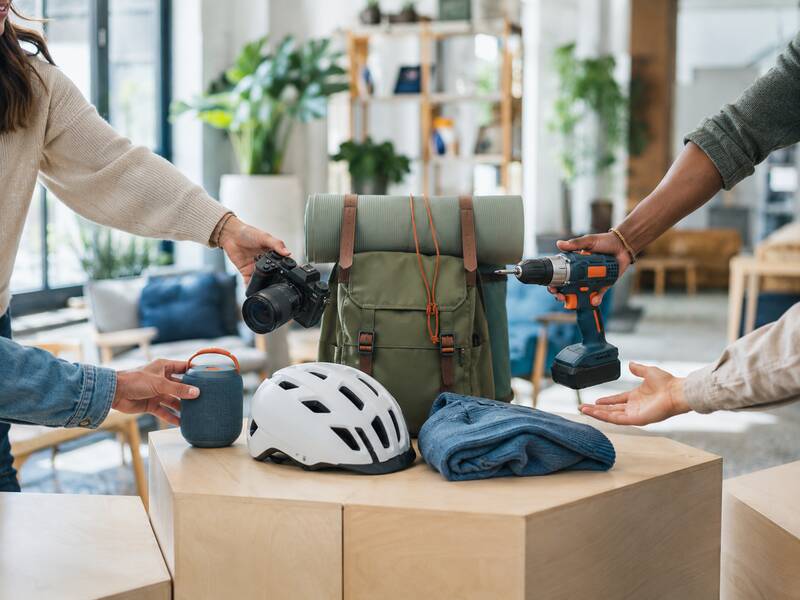
A car, for example, comes with fuel, insurance, maintenance, parking fees, taxes, and depreciation. Many other products, such as tools, sports equipment, camping gear, or formal clothing, are often used only occasionally but still require storage and upkeep.
In many cases, people pay not only for the item itself but also for the responsibility of maintaining it—even when it remains unused for most of the time.
Access Instead of Ownership
The sharing economy offers an alternative model: access.
Instead of purchasing products that are only used occasionally, people can borrow, rent, or share them whenever they are needed. This approach allows existing resources to be used more efficiently while reducing unnecessary consumption.
For many people, access provides greater flexibility. It allows them to choose the right product or service for a particular situation without committing to long-term ownership.
Sharing in Everyday Life
This shift is already visible in many aspects of daily life.
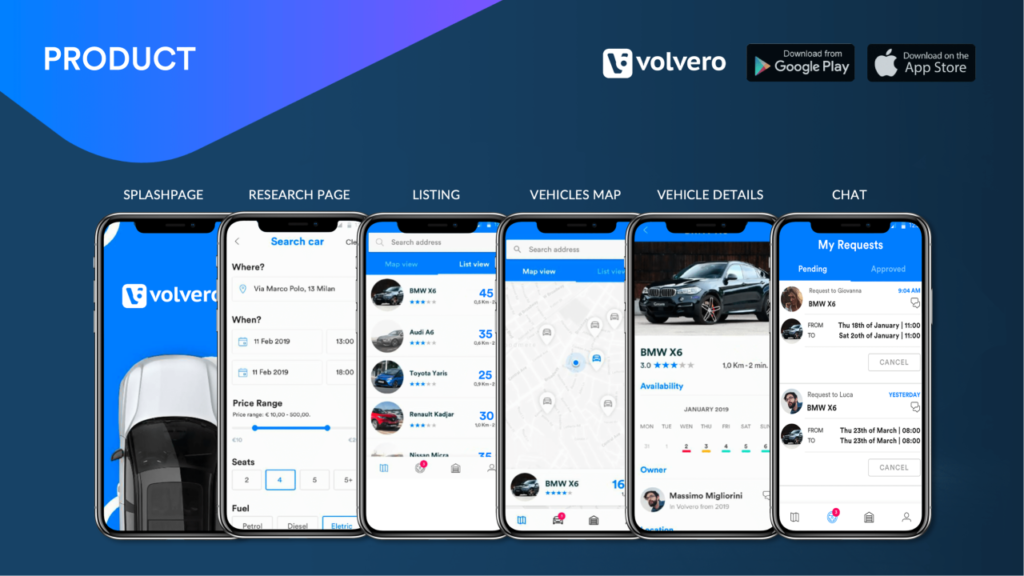
Someone who only needs a car occasionally may choose to book a vehicle through a peer-to-peer car-sharing platform instead of owning one. A student looking for affordable fashion may buy pre-owned clothing through Vinted, extending the life of garments while reducing textile waste. A freelancer may choose a coworking space instead of renting a permanent office, while homeowners can borrow tools from community tool libraries rather than buying equipment for a single project.
Public bike-sharing systems, coworking spaces, community libraries, and peer-to-peer platforms all reflect the same idea: access can often provide the same value as ownership while using fewer resources.
 Why Younger Generations Are Embracing Access
Changing lifestyles have played an important role in this shift.
Many people today move between cities more frequently, work remotely, travel regularly, or simply value flexibility over long-term commitments. At the same time, digital platforms have made it easier to find trusted services that connect people willing to share resources through secure and reliable systems.
Rather than accumulating more possessions, many consumers are choosing convenience, affordability, and experiences.
Ownership Still Has Its Place
This does not mean ownership is becoming obsolete.
For items used every day or those with personal or sentimental value, owning something often remains the best option. The sharing economy is not about replacing ownership entirely—it is about offering another choice when ownership may not be necessary.
The goal is to use resources more thoughtfully by matching ownership and access to individual needs.
Looking Ahead
As cities continue to grow and resources become increasingly valuable, the conversation is shifting from What do I own? to How can I make better use of what already exists?
The sharing economy demonstrates that access and ownership are not competing ideas—they complement one another. By choosing the right model for each situation, people can save money, reduce waste, and make better use of existing resources.
Rather than replacing ownership, access simply expands the choices available to consumers, helping create more flexible, efficient, and sustainable communities.