
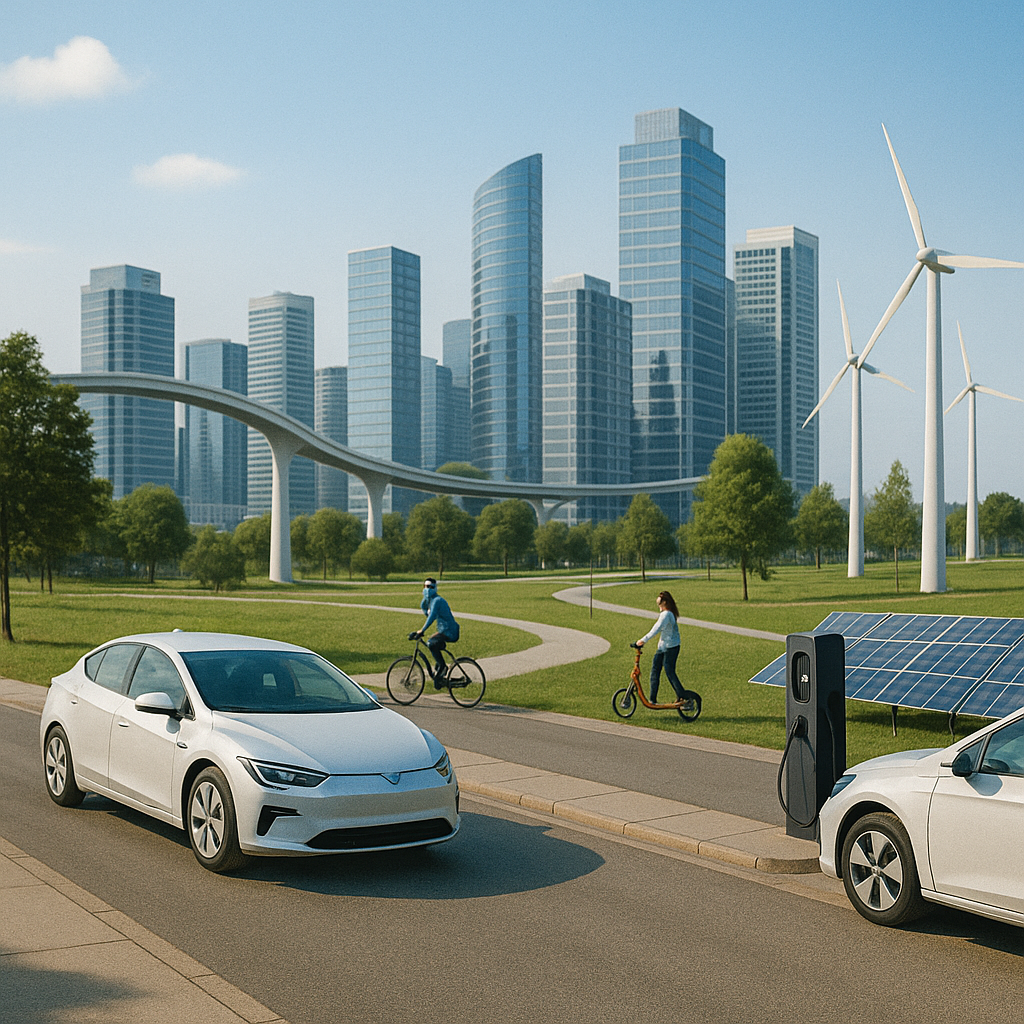
Nowadays, cities are growing faster than ever, and we as a society are facing new challenges – from traffic congestion and air pollution to waste generation and the overuse of natural resources. While new technologies and infrastructure are important, creating more sustainable cities also depends on how we choose to use the resources we already have.
This is where the sharing economy plays an important role.
Instead of every person owning everything they might need, the sharing economy encourages people to access, exchange, or reuse resources when needed. This simple shift helps reduce waste, improve resource efficiency, and create stronger, more connected communities.
What Makes a City Sustainable?
A sustainable city is one that balances economic growth, environmental responsibility, and quality of life. It aims to:
- Reduce greenhouse gas emissions.
- Minimize waste.
- Use resources more efficiently.
- Encourage responsible consumption.
- Improve accessibility and affordability for residents.
While governments and businesses have an important role to play, individuals also contribute through everyday choices – including how they travel, shop, and consume goods.
Shared Mobility: Making Better Use of Existing Vehicles
Private cars are among the most underused assets in modern cities. Many vehicles spend the majority of their time parked, occupying valuable urban space while still requiring maintenance, insurance, and other resources.
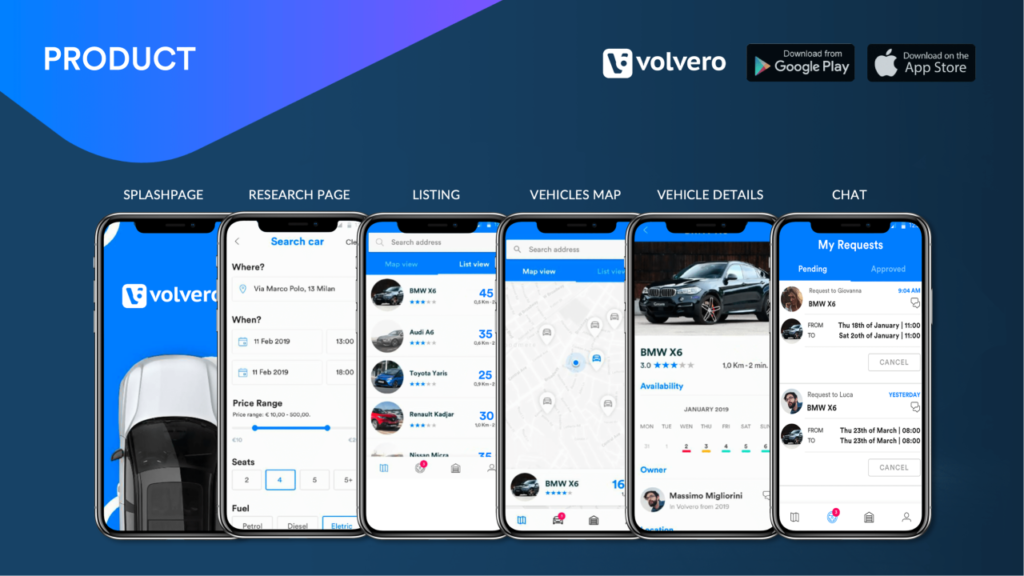
Peer-to-peer car-sharing platforms help maximize the use of existing vehicles by allowing owners to share their cars when they are not using them. This creates more flexible mobility options while making better use of resources that already exist.
Platforms such as Volvero demonstrate how shared mobility can benefit both vehicle owners and drivers looking for convenient access to a car without the long-term commitment of ownership. By increasing the utilization of existing vehicles, shared mobility can help reduce unnecessary car production and encourage more efficient transportation systems.
 Giving Products a Second Life
Sustainability is not only about transportation. It is also about extending the life of products we already own.
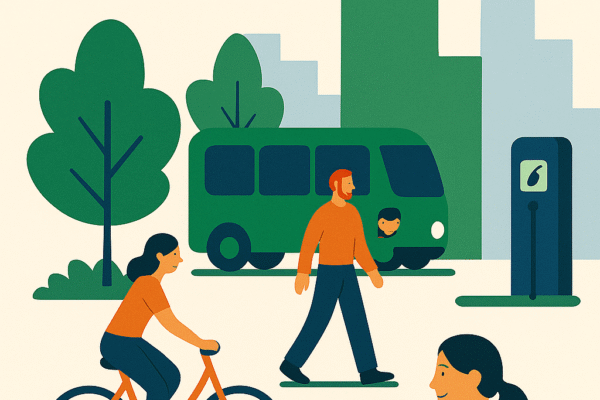
The fashion industry is one of the world’s largest contributors to waste and resource consumption. Buying second-hand clothing helps reduce demand for new production while keeping perfectly usable items in circulation.
Platforms like Vinted make it easier for people to buy and sell pre-owned clothing, encouraging a more circular approach to fashion. Every item that finds a new owner represents one less product potentially ending up in a landfill.
Fighting Food Waste
Every year, millions of tons of edible food are discarded while many people struggle to access affordable meals.
Food-sharing initiatives help bridge this gap by connecting consumers with surplus food that would otherwise go to waste.
For example, Too Good To Go allows restaurants, bakeries, supermarkets, and cafes to offer unsold food at reduced prices. This simple model benefits businesses, consumers, and the environment by reducing food waste while making quality food more affordable.
 Sharing Goes Beyond Digital Platforms
The sharing economy is much broader than mobile applications.
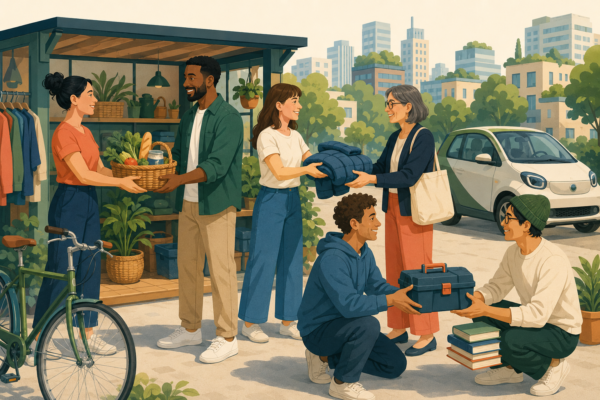
Many communities already embrace sharing through initiatives such as:
- Public bike-sharing systems.
- Community libraries.
- Tool libraries.
- Coworking spaces.
- Book exchange programs.
- Community gardens.
These initiatives demonstrate that sustainability often begins with collaboration and making better use of existing resources rather than constantly producing new ones.
Building Stronger Communities
The benefits of sharing extend beyond environmental impact.
Sharing-based initiatives encourage people to interact, build trust, and support local communities. They can also make everyday life more affordable by providing access to goods and services without requiring full ownership.
As cities continue to evolve, collaborative consumption offers an opportunity to create urban environments that are not only more sustainable but also more inclusive and resilient.
Looking Ahead
Creating sustainable cities is a shared responsibility. Governments, businesses, nonprofit organizations, and individuals all have a role to play.
Whether it is sharing a vehicle, giving clothes a second life, rescuing surplus food, or participating in a community initiative, every action that helps maximize existing resources contributes to a more sustainable future.
The sharing economy is not simply about technology – it is about rethinking how we consume, collaborate, and care for the resources we already have. By embracing these practices, cities can become cleaner, more efficient, and better prepared for the challenges of the future.