




Building Sustainable Mobility Together: Wedoshare Supports volvero
Sustainable mobility is no longer a future ambition — it’s a present-day responsibility. Cities, communities, and organizations are increasingly called to rethink how people move, share resources, and reduce environmental impact. In this context, Wedoshare is proud to support volvero, a technology-driven platform that is redefining vehicle sharing through a more sustainable, inclusive, and community-oriented model.
A Shared Vision for Positive Impact
Wedoshare was created to promote projects that generate measurable social and environmental value. Its mission is to support initiatives that leverage technology and collaboration to build a more sustainable society.
volvero fully aligns with this vision. By enabling private vehicle owners and businesses to share underused vehicles, volvero contributes to:
-
reducing the number of idle vehicles in cities
-
lowering CO₂ emissions linked to private car ownership
-
optimizing existing resources instead of producing new ones
The collaboration between Wedoshare and volvero is rooted in a shared belief: sustainability comes from smarter systems, not from increased consumption.
Technology as an Enabler of Sustainability
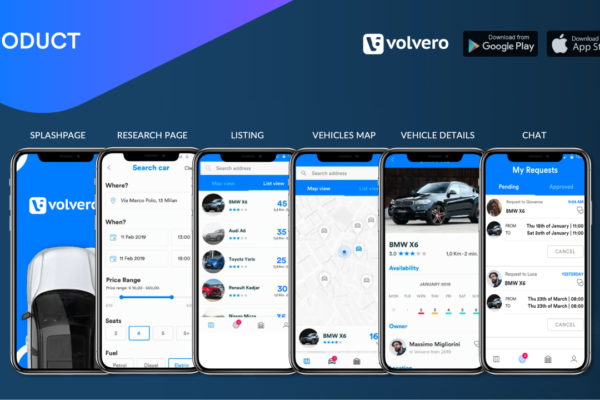
volvero operates as a digital platform that connects vehicle owners with people who need flexible mobility solutions. Through a transparent, secure, and fully digital process, the platform enables users to access vehicles only when needed, encouraging a shift away from private ownership toward shared use.
Wedoshare supports this approach because it demonstrates how technology can act as a multiplier of impact:
-
fewer vehicles on the road
-
more efficient use of existing assets
-
improved access to mobility without long-term ownership costs
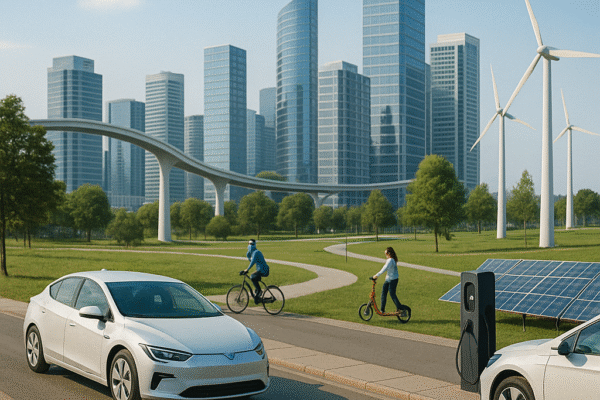
This model directly supports more livable cities and a reduced environmental footprint, especially in urban and high-tourism areas.
From Principles to Real-World Action
The collaboration between Wedoshare and volvero goes beyond shared values. It is focused on enabling real-world experimentation, validation, and growth of sustainable mobility solutions. By supporting projects like volvero, Wedoshare contributes to the development of scalable models that can be adopted by communities, local stakeholders, and institutions.
Together, the two organizations aim to:
-
promote responsible and shared mobility practices
-
raise awareness around sustainable transportation alternatives
-
support innovation that delivers measurable environmental and social benefits
Looking Ahead
Sustainable mobility requires cooperation between technology providers, nonprofit organizations, and local ecosystems. The collaboration between Wedoshare and volvero represents a concrete step in this direction — demonstrating how aligned missions and practical solutions can generate lasting impact.
By supporting platforms that rethink mobility from the ground up, Wedoshare continues its commitment to empowering initiatives that build a more sustainable, accessible, and responsible future.










 making it easier than ever to connect individuals who have resources with those who need them. From renting a car for a few hours to sharing office spaces, the sharing economy is broadening access while reducing waste.


 The European Commission has introduced a legislative proposal aimed at regulating peer-to-peer (P2P) lending and crowdfunding platforms. This initiative seeks to enhance access to financing for innovative businesses while ensuring transparency and consumer protection. By establishing a standardized framework, the EU aims to create a fair and competitive environment for companies operating in the collaborative finance sector.
 The integration of blockchain technology into the sharing economy is accelerating, leading to the rise of decentralized platforms offering services such as car-sharing, home-sharing, and freelance work. These platforms leverage blockchain’s inherent security and transparency to provide users with greater control and reduced costs. For instance, projects like Bittensor (TAO) are developing decentralized networks that combine artificial intelligence and blockchain to foster open and collaborative ecosystems.
  Several global cities are piloting shared autonomous vehicle (SAV) programs within designated urban areas. These initiatives aim to alleviate traffic congestion and reduce emissions by offering affordable and efficient transportation alternatives. The successful implementation of SAVs could revolutionize urban mobility, making cities more sustainable and interconnected.
 Sustainability remains a central focus in the evolution of the sharing economy. Investments are pouring into projects that promote environmental consciousness, such as reusable packaging programs, clothing rental services, and repair-sharing platforms. With consumers increasingly prioritizing eco-friendly options, businesses that incorporate sustainable practices into their sharing models are poised for success.
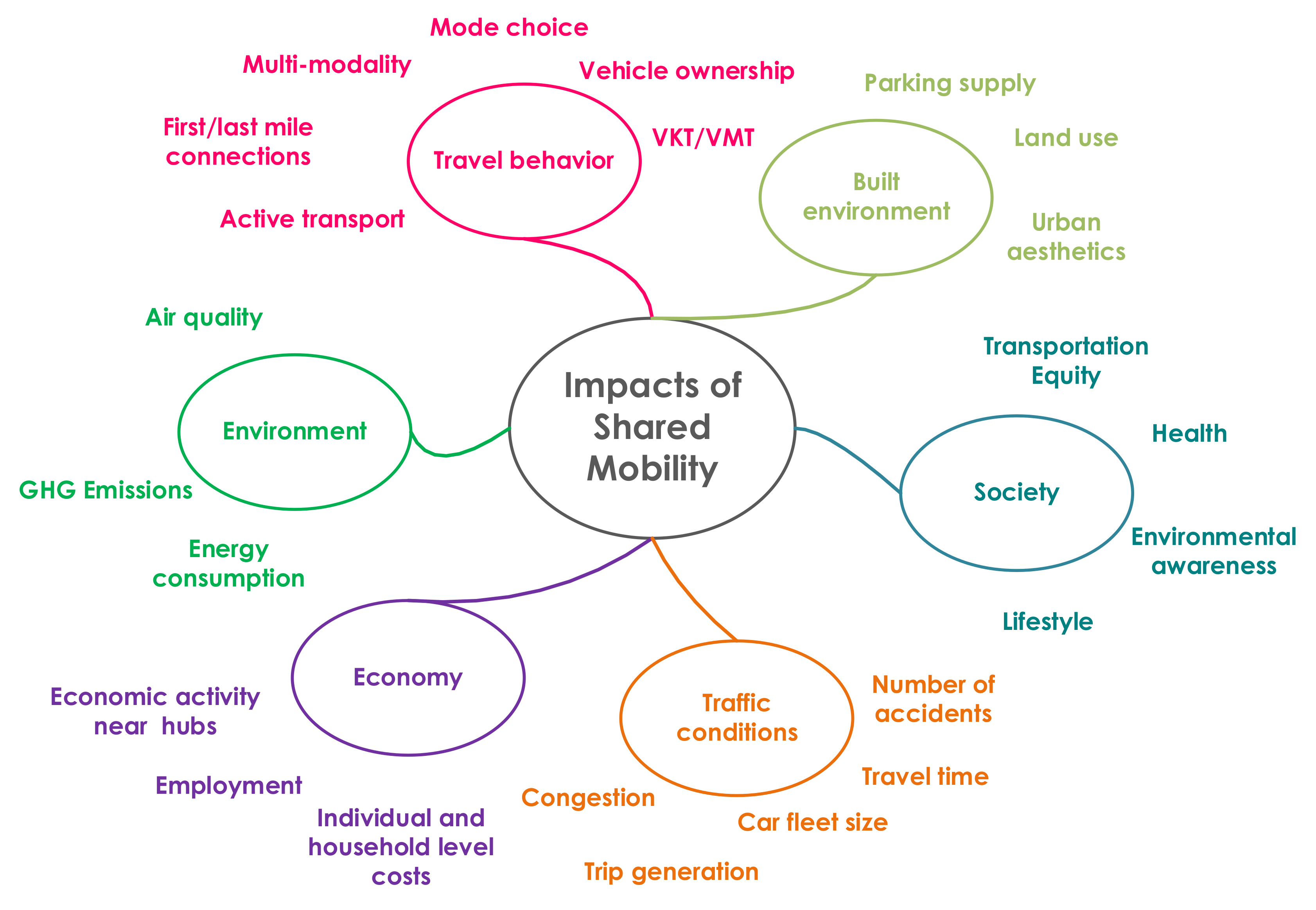
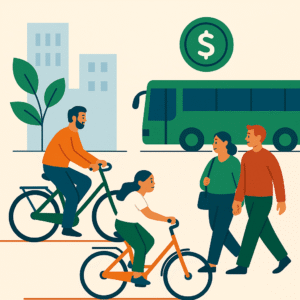
 Owning a personal vehicle comes with high costs, including fuel, insurance, maintenance, and parking fees. Shared mobility alternatives like car-sharing and ride-sharing services allow people to access transportation only when needed, significantly lowering expenses. Additionally, shared mobility options offer flexibility, eliminating the long-term financial commitment of owning a vehicle while ensuring reliable and affordable transport solutions.
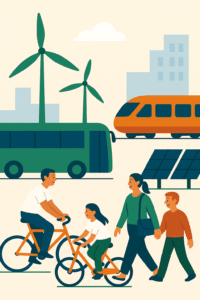
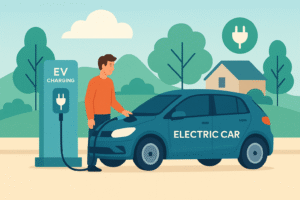
 Personal vehicles contribute significantly to greenhouse gas emissions. Shared mobility services help combat climate change by encouraging people to use environmentally friendly transport options like electric car-sharing, bike-sharing, and e-scooter programs. Many cities are integrating shared electric vehicle fleets and expanding cycling infrastructure to further reduce carbon footprints.
 Shared mobility is more than just a transportation alternative—it’s also a way to build stronger communities. Carpooling and ride-sharing services encourage social interactions, connecting people who might not otherwise meet. Bike-sharing and public transport integration enhance mobility access for underserved communities, ensuring that transportation is inclusive and accessible to all.

 An article from


 Volvero, an Italian startup, takes a slightly different approach by integrating advanced technology and a mission-driven focus on sustainability. Unlike traditional car-sharing models, volvero connects owners of underutilized vehicles with drivers who need temporary access to a vehicle. The platform employs AI-driven features to enhance user experience, ensure security, and optimize rental agreements.


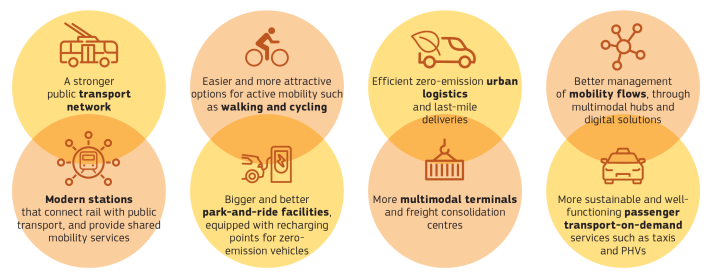
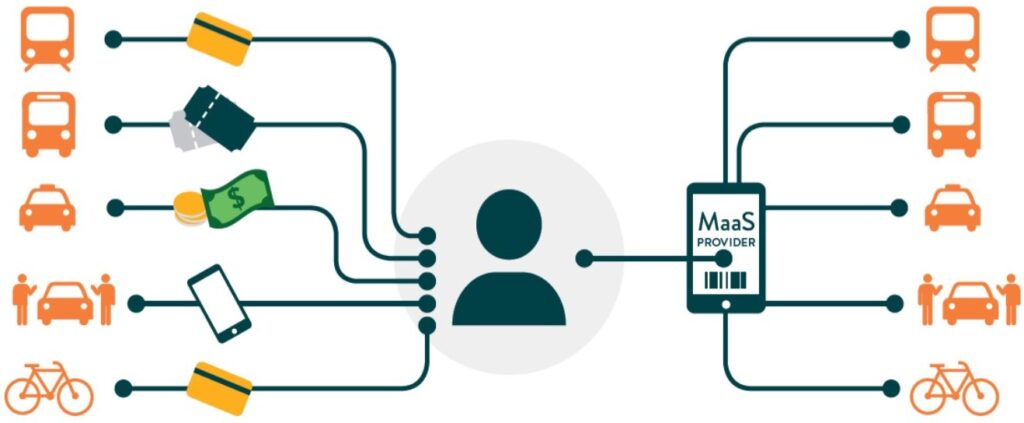
 In 2025, the mobility landscape is undergoing a significant transformation, emphasizing sustainability and technological innovation. Key trends include the widespread adoption of electric vehicles (EVs), advancements in charging infrastructure, and the rise of shared mobility solutions. Autonomous driving technologies are enhancing transportation efficiency, while micromobility options like e-scooters and bikes address urban congestion. Additionally, Mobility-as-a-Service (MaaS) platforms are integrating various transportation modes into seamless user experiences. These developments collectively aim to create a more connected, efficient, and eco-friendly transportation ecosystem.
 The global shared mobility market is experiencing significant growth, with projections indicating an increase from $343.24 billion in 2024 to $383.92 billion in 2025, representing a compound annual growth rate (CAGR) of 11.9%. This upward trajectory is expected to continue, reaching $631.76 billion by 2029 at a CAGR of 13.3%. Key drivers of this expansion include stringent environmental regulations, heightened demand for ride-hailing services, and rising fuel prices. Notable industry players contributing to this growth encompass Didi Chuxing Technology Co., Uber Technologies Inc., and Lyft Inc. As a non-profit shared mobility company, we are committed to advancing sustainable transportation solutions in alignment with these global trends.
 The electric mobility report covers all the major technologies, innovations, and investments in the electric mobility domain. It reveals how trends like hybrid electric vehicle, electric vehicle charging, and power electronics are impacting this eco-friendly mode of transportation. The electric mobility sector is rapidly evolving, focusing on enhancing vehicle design, performance, and affordability. Key trends shaping this landscape include the development of hybrid electric vehicles, advancements in power electronics, and the expansion of electric vehicle charging infrastructure. Emerging technologies such as artificial intelligence, 3D fabrication, and solid-state batteries are poised to drive further innovations, contributing to a more sustainable and efficient transportation ecosystem.